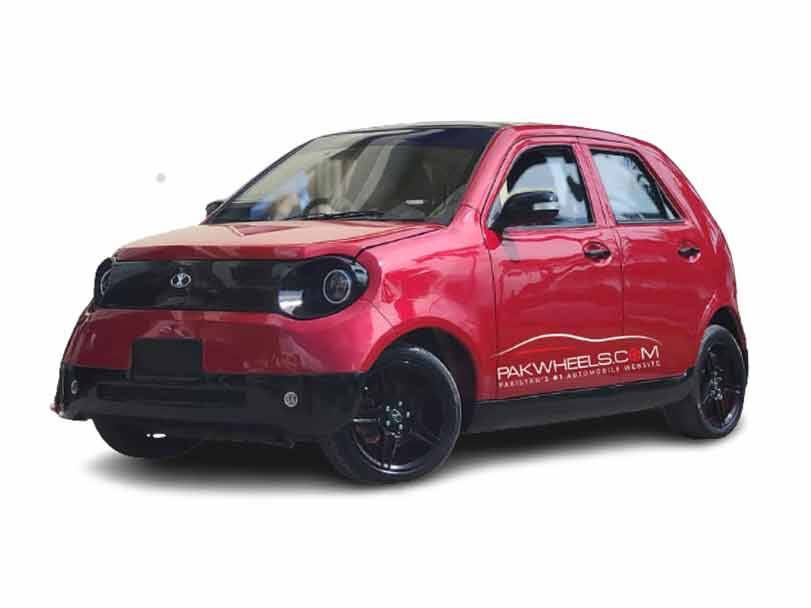
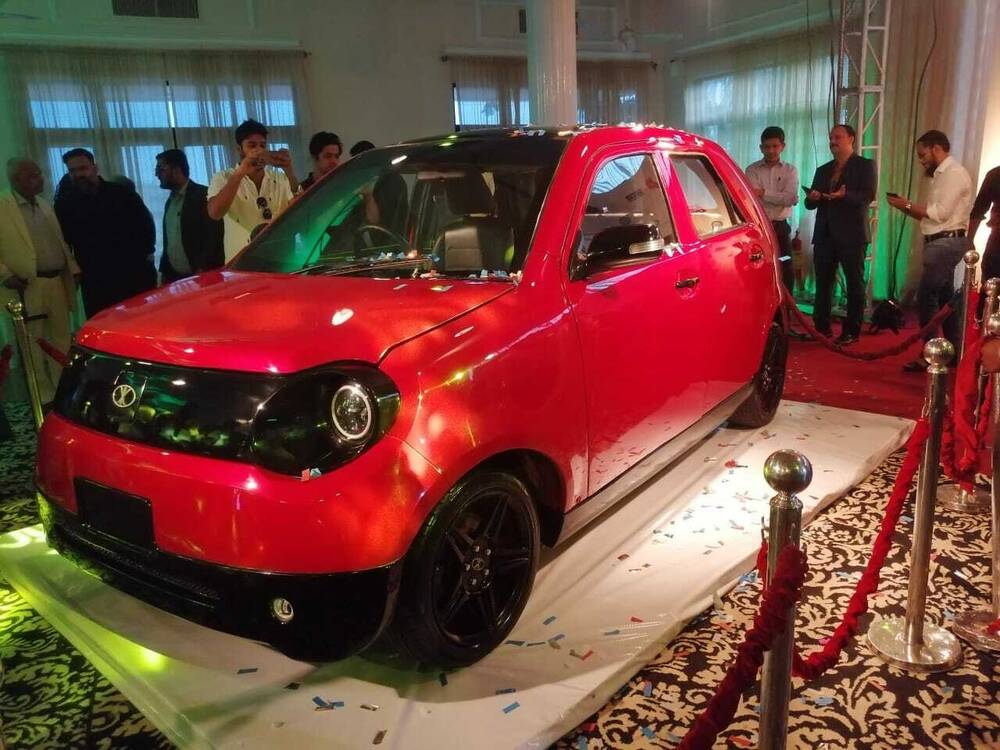
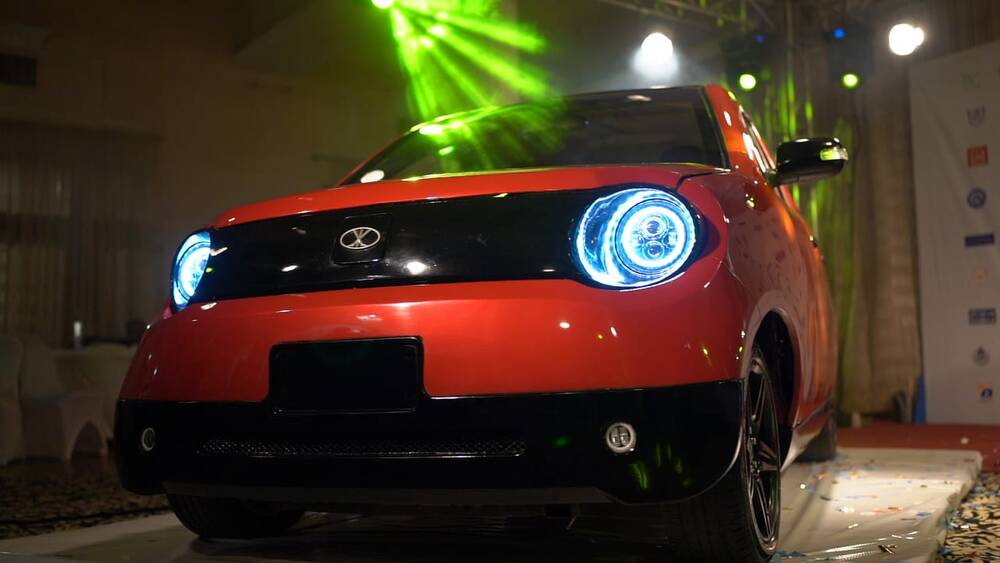
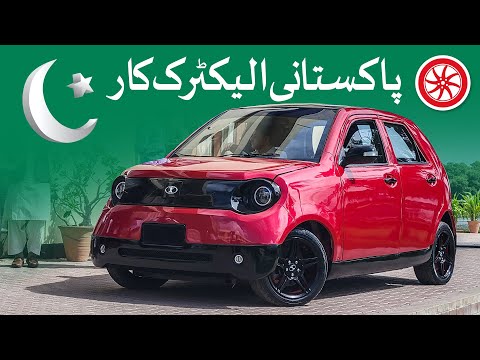
Nur-E 75 was Pakistan’s first electric car prototype, unveiled by DICE on 15 August 2022 (Independence Day). It was intended to be a domestic EV solution built through collaboration among students of Pakistani universities (NED, Sir Syed UET, NCA etc.) and local industry. It was a five-seater hatchback designed for urban use, with production expected to begin in 2024 under the JAXERI brand.
Latest Updates
As of 2024, the plan had been for the Nur-E 75 to enter production and be branded as JAXERI Nur-E.
Improvements were being made in charger efficiency to address early feedback about slow charging and inefficiencies.
It remained a prototype; final pricing and trims had not been officially confirmed as of early 2025.
Price and Variants (PKR)
No official price had been announced for the production model in Pakistan. Likewise, no multiple trim levels or variants had been detailed, and only the prototype version specifications were available.
Pros and Cons
Pros:
- A fully electric vehicle developed largely inside Pakistan, which supported local industry, jobs, and technical skills.
- A range of ~210 km (with AC off) made it viable for city commuting.
- A top speed of around 180 km/h was adequate for many urban and inter-city conditions.
Cons:
- Range dropped when AC was used (no public figure was given for AC-on range).
- Charging from zero to full over a standard 220V connection took about 8 hours.
- The charger in the prototype stage was considered “not very efficient”.
Engine and Performance
- Battery capacity: 35 kWh
- Motor power: ~80 kW (≈108 horsepower)
- Top speed: ~180 km/h
Battery Range / Mileage
The JAXERI Nur-E delivered an estimated 210 km of driving range on a full charge when the air conditioning was off. However, the real-world range was expected to drop once the AC was switched on, though official figures had not been released.
Charging from zero to full capacity on a standard 220V household connection took about eight hours, which made overnight charging the most practical option for users.
Features and Technology (Interior + Convenience)
- Seating capacity: 5 passengers (five-seater hatchback layout)
- Tyres: 16-inch wheels
- Locally developed components: battery pack by NED, chargers by Sir Syed University etc.
Safety
As of the latest public data (2025), detailed safety equipment such as the number of airbags, crash test ratings, and active safety systems had not been disclosed.
Exterior and Interior Styling
The exterior of the Nur-E was kept simple and functional, following the compact hatchback design language suited for urban roads. The proportions were modest, with 16-inch wheels providing everyday practicality and enough clearance for uneven roads.
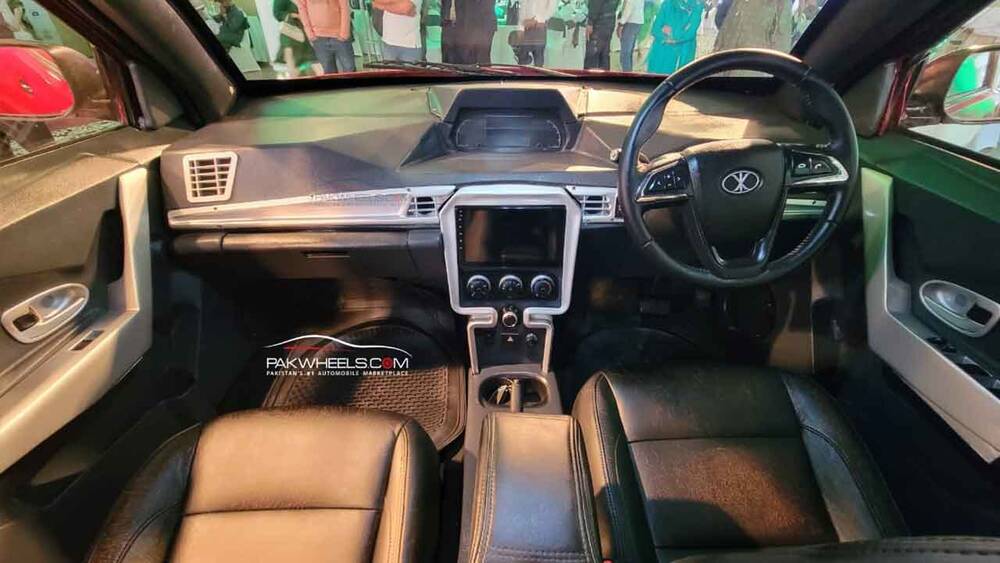
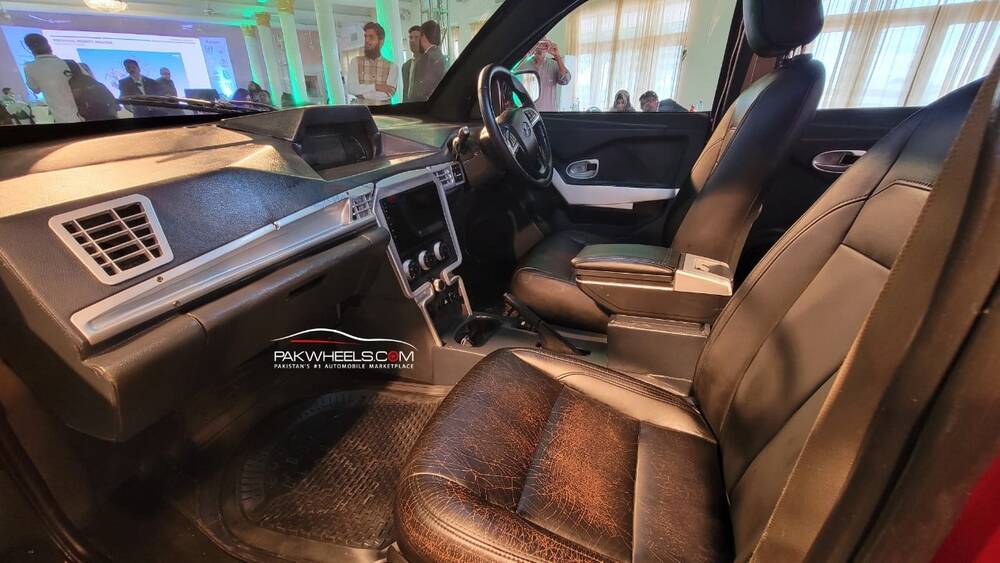
Inside, the car followed a straightforward five-seater configuration. The prototype’s interior reflected a utilitarian approach rather than luxury.
Colours Available
Colour options for the production model had not been officially announced.
Comparisons with Similar Cars
In Pakistan’s EV market, the Nur-E was naturally compared with options like the Rinco Aria.
Against the Aria, the Nur-E offered a larger 35 kWh battery compared to roughly 17 kWh, giving it better long-range usability. It was also claimed to achieve a higher top speed of around 180 km/h compared to Aria’s 100 km/h, making it more flexible for intercity travel.
Ground clearance was also noticeably higher at about 190 mm versus Aria’s 133 mm, which was a practical advantage on Pakistan’s uneven road conditions. The only factor yet to be determined was pricing, which would have decided how well the Nur-E competed against imported EVs.
Maintenance and Resale Value in Pakistan
Since the Nur-E had been designed with local input, its long-term maintenance was expected to be easier than fully imported EVs because the development of parts and systems inside Pakistan suggested better availability.
However, being a first-generation product, long-term reliability of the battery, charging system, and other electronic components was expected to decide whether it maintained strong resale value. Government EV policies and tariffs were also expected to directly influence cost of ownership.
|
Specification
|
Detail
|
|
Battery Capacity
Horsepower
|
35 kWh
108 hp
|
|
Range
|
~210 km
|
|
Top Speed
|
100 km/h
|
|
Charging Time
|
~8 hours
|
Conclusion
The JAXERI Nur-E represented an important step forward for Pakistan’s auto industry. As the first locally developed electric prototype, it demonstrated that the country could move towards reducing reliance on fuel imports and adapt to the EV shift.